Thinking about kickstarting your weight loss journey with a keto diet? A 7-day keto menu plan can indeed help you shed some pounds pretty quickly, especially in the initial stages. This is largely due to the reduction in carbohydrates, which leads to your body using up its glycogen stores and shedding associated water weight. Beyond that initial whoosh, the ketogenic diet can promote fat burning by shifting your metabolism into a state of ketosis. This plan aims to be practical, easy to follow, and built around readily available foods, making your first week on keto smoother and more effective for quick weight loss.
Before diving into the daily meals, it’s helpful to grasp why keto works for relatively fast weight loss. It’s not just magic; there’s some solid science behind it.
The Glycogen Depletion Effect
When you drastically cut carbs, your body first burns through its stored glucose (glycogen). Glycogen holds a lot of water, so as it gets depleted, you lose that water weight, often quite noticeably in the first few days. This is the primary driver of rapid initial weight loss. Don’t be fooled into thinking it’s all fat, but it’s a great motivator.
Shifting to Fat Burning (Ketosis)
Once glycogen stores are low, your body’s primary fuel source switches from glucose to fat. Your liver starts producing ketones from fat, which your brain and other organs can then use for energy. This state, called ketosis, is where the consistent fat loss benefits of the keto diet come into play. Eating very low carb keeps you in this fat-burning mode.
Appetite Regulation
Many people find that a ketogenic diet helps significantly with appetite control. High-fat and moderate-protein meals tend to be very satiating, which can lead to reduced overall calorie intake without feeling deprived. This natural reduction in hunger is a huge advantage for weight loss.
Essential Keto Staples for Your Pantry
To make this 7-day plan easy to stick to, having the right groceries on hand is key. Here’s a practical list to stock up on.
Protein Sources
- Meat: Chicken thighs (skin on), beef (ground, steaks), pork (chops, belly), bacon, lamb.
- Fish: Salmon, cod, tuna (canned in oil or water), sardines.
- Eggs: A keto staple, versatile and affordable.
Healthy Fats
- Oils: Olive oil (extra virgin for dressings, regular for cooking), avocado oil, coconut oil.
- Butter/Ghee: Good for cooking and adding fat to meals.
- Avocados: Fresh is best, excellent source of healthy fats and potassium.
- Nuts & Seeds (in moderation): Almonds, walnuts, pecans, chia seeds, flax seeds. Be mindful of carb counts.
- Cheese: Full-fat varieties like cheddar, mozzarella, cream cheese, brie.
Non-Starchy Vegetables
- Leafy Greens: Spinach, kale, romaine lettuce, mixed greens.
- Cruciferous Vegetables: Broccoli, cauliflower, Brussels sprouts, cabbage.
- Other Low-Carb Veggies: Asparagus, zucchini, bell peppers, green beans, mushrooms, cucumber.
Dairy & Alternatives (Full-Fat)
- Heavy Cream: For coffee, sauces, or whipping.
- Sour Cream/Cream Cheese: For dips or added creaminess.
- Unsweetened Nut Milks: Almond milk, coconut milk for drinks or recipes (check labels for sugar).
Herbs, Spices, and Condiments
- Herbs: Fresh or dried – parsley, cilantro, basil, oregano, thyme, rosemary.
- Spices: Salt, pepper, garlic powder, onion powder, paprika, cumin, chili powder.
- Condiments: Sugar-free mustard, mayonnaise (check ingredients), apple cider vinegar, hot sauces.
The 7-Day Keto Menu Plan

This plan aims for simplicity and effectiveness. Portion sizes are not explicitly listed as they depend on individual calorie needs, but generally, focus on protein at each meal, enough fat to feel satisfied, and a good serving of low-carb vegetables. Aim for around 20-30g net carbs per day.
Day 1: Easing In
- Breakfast: Scrambled eggs (2-3) with a handful of spinach and a slice of cheddar cheese, cooked in butter or coconut oil.
- Lunch: Large salad with grilled chicken or canned tuna (in olive oil), mixed greens, cucumber, half an avocado, and an olive oil vinaigrette.
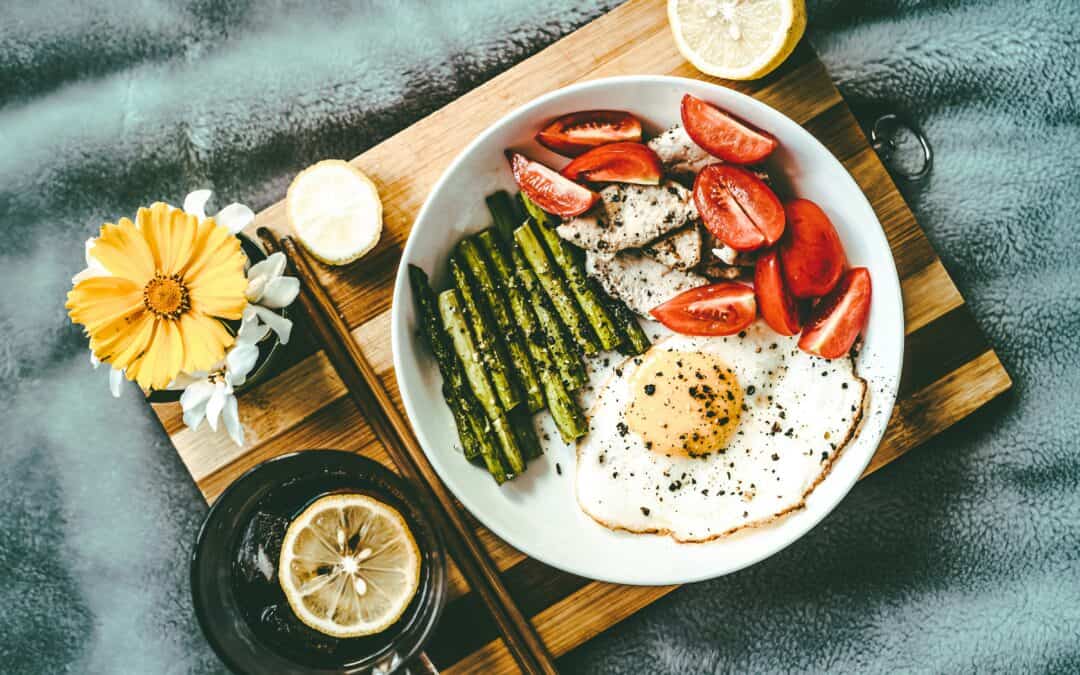
- Dinner: Baked salmon fillet with a generous side of roasted asparagus spears drizzled with olive oil.
- Snack (if needed): A small handful of almonds.
Day 2: Avocado & Beef Focus
- Breakfast: Keto smoothie: Unsweetened almond milk, a scoop of protein powder (optional), half an avocado, a handful of spinach, and a splash of heavy cream.
- Lunch: Leftover baked salmon and asparagus, or a simple tuna salad (tuna, mayo, celery) served in lettuce cups.
- Dinner: Ground beef stir-fry with broccoli florets, bell peppers, and a sugar-free soy sauce alternative. Add extra oil for fat.
- Snack (if needed): Cheese stick or a few slices of deli meat.
Day 3: Pork & Poultry
- Breakfast: Bacon (2-3 slices) and fried eggs (2) with a side of sautéed mushrooms.
- Lunch: Chef’s salad with sliced turkey or ham, hard-boiled eggs (2), a few cheese cubes, mixed greens, and a full-fat ranch dressing.
- Dinner: Pork chops pan-seared in butter, served with steamed green beans and a dollop of sour cream or cream cheese.
- Snack (if needed): Celery sticks with cream cheese.
Day 4: Creamy & Comforting
- Breakfast: Cream cheese pancakes (blend 2 eggs, 2 oz cream cheese, 1 tbsp unsweetened almond milk, a pinch of sweetener – optional; cook like regular pancakes). Serve with sugar-free syrup or berries.
- Lunch: Leftover pork chops and green beans.
- Dinner: Chicken thighs (skin on for extra fat) baked with herbs, served with mashed cauliflower (cauliflower pureed with butter, heavy cream, salt, and pepper) and a side of sautéed kale.
- Snack (if needed): A small portion of full-fat Greek yogurt (check carbs) with a few berries.
Day 5: Seafood and Simple Greens
- Breakfast: Omelet with cheese, diced bell peppers, and a sprinkle of chives.
- Lunch: Large salad with shrimp or crumbled bacon, mixed greens, cherry tomatoes (small amount), avocado, and an olive oil vinaigrette.
- Dinner: White fish (cod or haddock) baked with lemon and butter, served with a big bowl of steamed broccoli with melted butter.
- Snack (if needed): A few olives or a small handful of pecans.
Day 6: Brunch Favorites reimagined
- Breakfast: Keto breakfast bowl: Scrambled eggs, crumbled sausage, diced avocado, and a sprinkle of shredded cheese.
- Lunch: Leftover white fish and broccoli.
- Dinner: Steak (your preferred cut) cooked to your liking, served with a large side of buttery Brussels sprouts.
- Snack (if needed): Hard-boiled egg.
Day 7: Wrap-up & Prep
- Breakfast: Coffee with heavy cream and a simple side of bacon or a small piece of cheese. Keep it light.
- Lunch: Leftover steak and Brussels sprouts.
- Dinner: Keto pizza on a cauliflower crust or Fathead dough (almond flour, mozzarella, cream cheese, egg). Top with sugar-free tomato sauce, cheese, and your favorite low-carb toppings (pepperoni, mushrooms, onions, bell peppers).
- Snack (if needed): Sugar-free gelatin or a few squares of 90%+ dark chocolate.
Staying Hydrated and Electrolytes

One of the most common issues people face on keto, especially in the first week, is the “keto flu.” This isn’t an actual flu but a collection of symptoms like headaches, fatigue, and muscle cramps, primarily caused by electrolyte imbalance.
The Importance of Water
Drink plenty of water throughout the day. When you cut carbs, your body sheds a lot of water. You need to replenish this to avoid dehydration. Aim for at least 8-10 glasses (2-2.5 liters) daily, more if you’re active.
Replenishing Electrolytes
- Sodium: Adding a bit more salt to your food, drinking broth, or consuming electrolyte supplements can help.
- Potassium: Eat potassium-rich keto-friendly foods like avocados, spinach, and mushrooms. Consider a sugar-free electrolyte drink or supplement if needed.
- Magnesium: Many people are deficient in magnesium. Magnesium supplements can help with muscle cramps and sleep.
Practical Tips for Your First Week
| Day | Breakfast | Lunch | Dinner |
|---|---|---|---|
| Monday | Scrambled eggs with avocado | Grilled chicken salad | Salmon with steamed broccoli |
| Tuesday | Greek yogurt with berries | Turkey and cheese roll-ups | Zucchini noodles with pesto |
| Wednesday | Spinach and feta omelette | Cobb salad with ranch dressing | Grilled steak with asparagus |
| Thursday | Chia seed pudding | Tuna salad lettuce wraps | Chicken stir-fry with cauliflower rice |
| Friday | Avocado and bacon smoothie | Egg salad with mixed greens | Baked cod with roasted vegetables |
Getting through that first week successfully requires a bit of planning and mindfulness.
Meal Prepping Simplifies Everything
Dedicate some time on a weekend or evening to prep common keto staples. Cook a batch of chicken, roast some vegetables, hard-boil eggs, or make a large salad dressing. This prevents impulse unhealthy choices when hunger strikes.
Read Labels Carefully
Sugar and hidden carbs are everywhere. Always check nutrition labels, especially for sauces, salad dressings, and processed meats. Look for “net carbs” (total carbs minus fiber and sugar alcohols, if applicable).
Don’t Fear Healthy Fats
Fat is your primary energy source on keto. Don’t shy away from adding butter, olive oil, or avocado to your meals. It keeps you full and provides necessary energy.
Listen to Your Body
If you’re feeling sluggish, headachey, or experience muscle cramps, it’s often a sign you need more electrolytes or water. Adjust accordingly. If you’re genuinely hungry, eat. Don’t starve yourself.
Track Your Intake (Initially)
For the first week or two, using an app to track your macros (carbs, protein, fat) can be very helpful. It gives you a clear picture of what you’re actually consuming and helps you stay within your carb limits.
Be Patient Beyond the First Week
While the initial weight loss is quick, remember it’s largely water. Consistent fat loss takes time. The first week is about adapting your body to ketosis. Don’t get discouraged if the scale slows down after the initial drop.
Potential Challenges and How to Address Them
While keto can be effective, it’s not without its potential stumbling blocks, especially for newcomers.
The “Keto Flu”
As mentioned earlier, flu-like symptoms are common. Proactive electrolyte management is key. Sip on bone broth, add extra salt to your meals, and consider a magnesium supplement. It usually subsides within a few days.
Constipation
A sudden drop in fiber can lead to constipation. Increase your intake of low-carb, high-fiber vegetables (like leafy greens, broccoli, and avocado). Staying well-hydrated is also crucial. Psyllium husk can be a helpful supplement if needed.
Cravings for Carbs
Especially in the first few days, you might experience strong cravings for sugary or starchy foods. Prepare keto-friendly snacks, distract yourself, or find a keto alternative (like a fat bomb or a piece of dark chocolate). These cravings usually diminish as your body adapts to burning fat.
Social Situations
Eating out or attending social gatherings can be tricky. Look for grilled proteins, unsauced vegetables, or salads with full-fat dressings. Don’t be afraid to ask for modifications to your meal. Planning ahead helps immensely.
Stalling in Weight Loss
After the initial rapid drop, it’s common for weight loss to slow down or even plateau. This is normal. Review your portion sizes, ensure you’re not overdoing hidden carbs, and consider incorporating intermittent fasting if you haven’t already. Sometimes, simply varying your food choices can help.
This 7-day plan provides a solid foundation for initiating weight loss through a ketogenic approach. Remember, consistency and understanding how your body responds are crucial for long-term success.