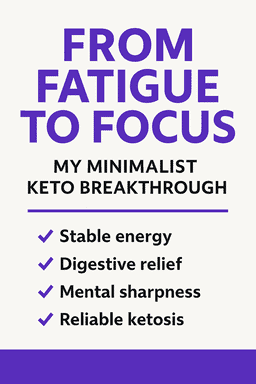

So, you’re curious about how to actually do the keto diet with a schedule that makes sense? It’s less about rigid timelines and more about thoughtful preparation and listening to your body. Think of this as a practical roadmap to make keto work for you, not a strict set of rules that’ll leave you feeling stressed. The core idea is to consistently get enough fat, moderate protein, and very few carbs, and a good schedule helps you achieve that day in and day out.
Before we get into scheduling, it’s crucial to have a grasp on what makes keto, keto. It’s fundamentally about shifting your body’s primary fuel source. Normally, your body burns glucose (from carbohydrates) for energy. On a ketogenic diet, you drastically reduce carb intake, forcing your body to burn fat for fuel. This process is called ketosis.
Macronutrient Breakdown: The Triad of Keto
The cornerstone of keto is its specific macronutrient ratio. This isn’t a suggestion; it’s the blueprint.
Fat: The Dominant Player
For most people, fat should make up about 70-80% of your daily calorie intake. This sounds like a lot, and it is, but it’s what keeps you full and provides the energy your body needs when carbs are scarce. Think healthy fats like avocados, olive oil, nuts, seeds, and fatty fish.
Protein: The Moderate Middle Ground
Protein typically accounts for 20-25% of your daily calories. It’s essential for muscle maintenance and other bodily functions. However, too much protein can be converted into glucose, potentially kicking you out of ketosis, so finding that sweet spot is important. Lean meats, poultry, and fish are good sources.
Carbohydrates: The Sparingly Used Element
This is the main restriction. Ideally, you’ll aim for only 5-10% of your daily calories from carbohydrates, which usually translates to 20-50 grams of net carbs per day. Net carbs are total carbs minus fiber. This might sound restrictive, but it’s what triggers and maintains ketosis. Non-starchy vegetables are your primary carb source.
What is Ketosis, Really?
Ketosis is a metabolic state where your body starts producing ketones. These ketones are molecules produced from the breakdown of fat. Your liver produces them when it doesn’t have enough glucose from carbs to use for energy. Your body then uses these ketones as its main fuel source, and your brain can also use them.
Transitioning into Ketosis: The “Keto Flu”
When you first start keto, your body needs to adapt to using fat instead of carbs for fuel. This transition period can sometimes lead to what’s commonly called the “keto flu.” Symptoms can include fatigue, headache, nausea, irritability, and difficulty concentrating. It’s usually temporary, lasting a few days to a week or two, as your body becomes more efficient at burning fat. Staying hydrated and ensuring you’re getting enough electrolytes (sodium, potassium, magnesium) can help mitigate these symptoms.
Structuring Your Keto Day: Meal Timing and Composition
How you spread your keto meals across the day and what you put in them is key to sustained energy and adherence. There’s no single “perfect” schedule, but some approaches work better than others for maintaining ketosis and feeling good.
Breakfast: Fueling Up for the Day
For many, breakfast on keto is about setting a fat-centric tone for the day. It’s an opportunity to get a good dose of healthy fats and protein to keep you satisfied.
Low-Carb Mornings: What to Consider
The goal here is to avoid the carb-laden cereals, toast, and sugary pastries. Instead, think about options that will keep your blood sugar stable and prevent a mid-morning energy crash.
Egg-cellent Choices
Eggs are a keto staple for a reason. They’re packed with protein and healthy fats. Scrambled eggs with cheese and avocado, an omelette with spinach and mushrooms, or even a couple of hard-boiled eggs can be quick and effective.
Beyond Eggs: Other Breakfast Ideas
If eggs aren’t your favorite, consider bacon and avocado, a smoothie made with unsweetened almond milk, a scoop of keto-friendly protein powder, and some berries, or even leftover dinner from the night before. Don’t be afraid to eat savory meals for breakfast.
Lunch: Sustaining Energy Through the Afternoon
Lunch is often about practicality. It needs to be something you can prepare ahead of time, grab and go, or easily assemble. The focus remains on fat and protein to keep you going until dinner.
Midday Meals: Practical Keto Strategies
Think about lunches that are portable and won’t lead to a post-lunch slump. This often means avoiding heavy reliance on bread or sugary dressings.
Salads with Substance
A well-constructed salad can be a keto powerhouse. Load it up with leafy greens, a generous portion of protein (grilled chicken, salmon, hard-boiled eggs, tuna), healthy fats (avocado, nuts, seeds, cheese), and a vinaigrette made with olive oil and vinegar.
Leftovers are Your Friend
Don’t underestimate the power of well-planned leftovers. If you had a delicious keto-friendly dinner, a portion of that makes for an excellent and fuss-free lunch. This reduces cooking time and waste.
Wraps and Rolls (Keto Style)
Instead of traditional bread, explore options like large lettuce leaves (butter lettuce or romaine) or low-carb tortillas/wraps to create your own wraps filled with deli meats, cheese, and low-carb vegetables.
Dinner: The Main Event of Keto Nutrition
Dinner is often seen as the primary meal for cooking and enjoying a satisfying keto experience. It’s where you can really pack in nutrient-dense, high-fat foods.
Evening Eats: Balancing Flavor and Ketosis
Dinner is a fantastic opportunity to experiment with various protein sources and prepare flavorful, healthy-fat-rich dishes.
Protein Powerhouses
Focus on fattier cuts of meat like steak, pork belly, or salmon. These are not only delicious but also contribute significantly to your fat intake. Pair them with plenty of non-starchy vegetables.
Hearty Keto Sides
Think beyond a simple side salad. Roasted Brussels sprouts with bacon, cauliflower mash, creamy spinach, or sautéed mushrooms are excellent, filling options that complement your main dish beautifully.
One-Pan Wonders
For ease of cleanup and preparation, one-pan meals are a lifesaver. Think baked salmon with asparagus, or chicken thighs with broccoli and bell peppers, all cooked together on a single baking sheet.
Snack Strategies: Bridging the Gaps
Snacking on keto isn’t always necessary, especially when your meals are satisfyingly high in fat. However, if you do find yourself hungry between meals, choosing the right snacks is crucial to avoid derailing your efforts.
Smart Snacking: Keeping it Keto
The rule of thumb is to snack only when truly hungry. If you can go until your next meal without feeling ravenous, even better.
Fat-Rich, Carb-Lean Options
Look for snacks that are primarily fat and protein, with minimal carbs.
Nuts and Seeds: The Go-To
Almonds, macadamia nuts, walnuts, pecans, pumpkin seeds, and sunflower seeds are excellent choices. Just be mindful of portion sizes, as they can be calorie-dense and some nuts have slightly more carbs than others.
Cheese Please
Hard cheeses like cheddar, mozzarella, parmesan, or gouda are naturally low in carbs and high in fat and protein. Cheese sticks, cubes, or even a slice of cheese can be a satisfying snack.
Avocado Adventures
A quarter or half an avocado, perhaps sprinkled with a little salt or everything bagel seasoning, is a fantastic, healthy-fat-packed snack.
Olives and Pickles
These are low-carb and can satisfy a salty craving. Just check the labels to ensure no added sugars.
Hydration and Electrolytes: The Unsung Heroes
It’s easy to focus solely on food, but proper hydration and electrolyte balance are absolutely critical for feeling good on keto, especially during the transition phase.
The Importance of Fluids and Minerals
When you reduce carbs significantly, your body releases stored glycogen, which holds water. This can lead to increased urination and a loss of electrolytes.
Water, Water Everywhere
Simply drinking enough water is paramount. Aim for at least 8 glasses a day, and more if you’re active or in a warm climate.
Electrolyte Replenishment: Sodium, Potassium, Magnesium
These three are particularly important.
- Sodium: Don’t shy away from salt. Adding a pinch of sea salt to your meals or even drinking a little salt water (if you tolerate it) can help.
- Potassium: Found in avocados, leafy greens, and nuts.
- Magnesium: Can be found in nuts, seeds, spinach, and dark chocolate (in moderation). You might also consider a magnesium supplement.
Beware of Sugar-Free Drinks
While tempting, many sugar-free drinks can contain artificial sweeteners that some people find disrupt their ketosis or digestive system. Stick to water, black coffee, or unsweetened tea.
Putting It All Together: Sample Keto Schedule
| Day | Meal 1 | Meal 2 | Meal 3 |
|---|---|---|---|
| Monday | Scrambled eggs with avocado | Grilled chicken with broccoli | Salmon with asparagus |
| Tuesday | Greek yogurt with berries | Turkey lettuce wraps | Zucchini noodles with pesto |
| Wednesday | Chia seed pudding | Cobb salad | Steak with cauliflower mash |
| Thursday | Spinach and feta omelette | Tuna salad | Grilled shrimp with mixed greens |
| Friday | Coconut flour pancakes | Grilled pork chops with green beans | Eggplant parmesan |
This isn’t a prescription, but an example to illustrate how you might structure your keto days. Adapt it based on your personal preferences, hunger cues, and lifestyle.
A Day in the Life: Keto Flexibility
The key is consistency in your macronutrient intake, not rigid adherence to exact timings.
Morning (e.g., 7:00 AM – 9:00 AM)
- Option 1: Keto Coffee & Eggs: Black coffee with a tablespoon of MCT oil or butter, followed by scrambled eggs with cheese and a slice of avocado.
- Option 2: Smoothie: Unsweetened almond milk, a scoop of keto protein powder, spinach, chia seeds, and a few berries.
Midday (e.g., 12:00 PM – 2:00 PM)
- Option 1: Large Salad: Mixed greens, grilled chicken or tuna, olive oil and vinegar dressing, a handful of almonds, and a quarter avocado.
- Option 2: Leftovers: A portion of last night’s keto dinner.
Afternoon Snack (Optional, if hungry)
- A small handful of macadamia nuts.
- A few slices of cheese.
- A small portion of olives.
Evening (e.g., 6:00 PM – 8:00 PM)
- Option 1: Salmon & Asparagus: Baked salmon fillet with roasted asparagus drizzled with olive oil.
- Option 2: Steak & Cauliflower Mash: Pan-seared steak with a side of creamy cauliflower mash topped with butter.
- Option 3: Chicken Thighs & Broccoli: Baked chicken thighs with garlic and butter served with steamed broccoli.
Listening to Your Body and Adjusting
Your keto journey is personal. What works for one person might not work for another.
Hunger Cues: The Best Indicator
Don’t force yourself to eat if you’re not hungry. Conversely, if you’re genuinely hungry, don’t starve yourself. Your meals should be substantial enough to keep you satisfied for several hours.
Energy Levels: A Barometer of Success
Pay attention to how you feel. Consistent energy throughout the day, without significant dips, is a good sign that your keto schedule and meal choices are working for you.
Tracking Progress (Optional, but helpful)
Some people find it beneficial to track their food intake for a period using an app to ensure they’re hitting their macronutrient goals. This can be especially helpful when you’re starting out. However, once you’re familiar with keto-friendly foods, you might find you can do it intuitively.
By approaching your keto diet with a structured yet flexible schedule, focusing on nutrient-dense, high-fat, moderate-protein, and low-carb meals, you’ll be well on your way to making keto a sustainable and effective part of your lifestyle. Remember, consistency and smart planning are your greatest allies.