Thinking about the keto diet and wondering what your plate should actually look like for success? It’s not as complicated as it might seem. The core of a successful keto eating plan boils down to drastically reducing carbohydrates and replacing them with fats, while keeping protein at a moderate level. This shift encourages your body to enter ketosis, where it burns fat for fuel instead of glucose. Let’s break down what that means in practice and how to build an eating plan that works for you.
Before diving into meal ideas, it’s crucial to grasp the keto diet’s macronutrient targets because this is the foundation of your “eating plan.” These are the ratios of carbs, fats, and protein you aim for daily.
The Golden Ratio
- Carbohydrates: The star of the show to restrict. Typically, you’ll aim for 5-10% of your daily calories from net carbs. Net carbs are total carbohydrates minus fiber and sugar alcohols (though be mindful of sugar alcohols, some can still impact blood sugar). For most people, this translates to around 20-50 grams of net carbs per day. This is the most significant change from a standard diet and requires careful attention.
- Fats: The primary fuel source. Around 70-80% of your daily calories should come from healthy fats. This might sound like a lot, but it’s essential for satiety and energy on keto. Think of it as replacing the bulk of your caloric intake from carbs with fat.
- Protein: Important for muscle maintenance and overall health, but not the main energy source on keto. Aim for about 20-25% of your daily calories from protein. Too much protein can be converted into glucose (gluconeogenesis), potentially hindering ketosis for some individuals.
Why This Ratio Matters
Sticking to these ratios is what pushes your body into ketosis. Carbohydrate restriction lowers blood glucose and insulin levels. When glucose isn’t readily available, your body starts breaking down stored fat into ketones, which then become your primary energy source. Fat intake promotes satiety and provides the necessary fuel, while moderate protein ensures your body’s needs are met without overdoing it.
Building Your Keto Plate: What to Eat and What to Avoid
The good news is that many delicious and satisfying foods fit perfectly into a keto lifestyle. It’s more about choosing the right types of foods and being mindful of portion sizes, especially for higher-carb options.
Keto-Friendly Foods: Your Go-To List
- Healthy Fats: Avocado, olive oil, coconut oil, MCT oil, butter, ghee, heavy cream, nuts (macadamia, pecans, walnuts, almonds – in moderation), seeds (chia, flax, sunflower, pumpkin). These are the backbone of your meals and snacks.
- Protein Sources: Fatty cuts of meat (beef, lamb, pork), poultry (chicken thighs, duck), fish (salmon, mackerel, sardines, trout), eggs, full-fat dairy (cheese, Greek yogurt – check carb content). Prioritize nutrient-dense animal proteins.
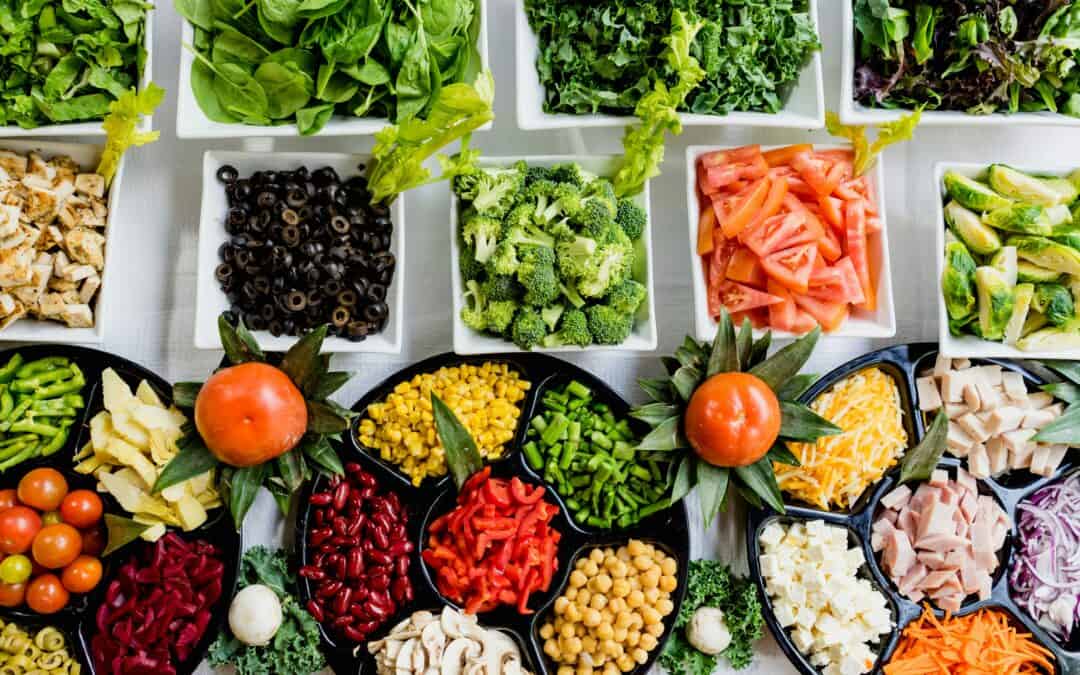
- Low-Carb Vegetables: Leafy greens (spinach, kale, romaine lettuce), broccoli, cauliflower, Brussels sprouts, asparagus, zucchini, bell peppers (especially green), cucumbers, celery. These provide essential vitamins, minerals, and fiber without significantly impacting carbohydrate intake.
- Berries: Strawberries, blueberries, raspberries, blackberries – in moderation. These are lower in sugar compared to other fruits and offer antioxidants.
Foods to Strictly Limit or Avoid
- Sugary Foods and Drinks: Soda, fruit juices, candy, cakes, cookies, ice cream, honey, maple syrup, sugar substitutes that act like sugar. This is the most critical category to cut out.
- Grains and Starches: Bread, pasta, rice, oats, cereal, crackers, potatoes, corn, sweet potatoes. These are typically high in carbohydrates that will immediately kick you out of ketosis.
- Most Fruits: Bananas, apples, oranges, grapes, mangoes. While healthy, their sugar content is too high for strict keto.
- Legumes: Beans, lentils, peas. These contain more carbohydrates than are generally suitable for keto.
- Processed Foods: Many pre-packaged snacks, sauces, and convenience meals are loaded with hidden sugars and starches. Always read labels.
- Certain Fats: Highly processed vegetable oils like soybean, corn, and canola oil. Focus on natural, unprocessed fats.
Practical Meal Planning for Keto Success

Planning your meals ahead of time is one of the most effective strategies to stay on track with the keto diet. It helps you avoid impulse decisions and ensures you have keto-compliant options readily available.
The Power of Weekly Meal Prep
- Batch Cooking: Dedicate a few hours on a weekend to cook large portions of staples like shredded chicken, ground beef, roasted vegetables, or hard-boiled eggs. These can be easily incorporated into meals throughout the week.
- Pre-Portioning Snacks: Divide nuts, seeds, or cheese into grab-and-go containers to prevent overeating and ensure you’re choosing keto-friendly options when hunger strikes between meals.
- Creating a Shopping List: Based on your weekly meal plan, create a detailed grocery list. This helps you shop efficiently and avoid buying tempting high-carb items you might not need.
Sample Keto Meal Structures
Remember, these are just examples. Flexibility is key, and you can adjust based on your preferences and lifestyle.
Breakfast Options
- Scrambled Eggs with Spinach and Cheese: A classic for a reason. Add a side of avocado for extra healthy fats.
- Keto Smoothie: Blend unsweetened almond milk or coconut milk, a handful of spinach, a scoop of keto-friendly protein powder, a tablespoon of chia seeds, and a few berries.
- Bacon and Avocado: Simple, effective, and satisfying. Ensure your bacon is sugar-free.
Lunch Options
- Large Salad with Fatty Protein: Think grilled chicken or salmon over a bed of mixed greens with plenty of avocado, cheese if you like, and a generous olive oil-based dressing.
- Tuna Salad Lettuce Wraps: Make tuna salad with full-fat mayonnaise (check ingredients for added sugar) and serve in crisp lettuce cups instead of bread.
- Leftovers from Dinner: Often the easiest and most practical lunch option if you’ve prepped well.
Dinner Options
- Fatty Fish with Roasted Broccoli: Salmon or mackerel baked with lemon and herbs, served with broccoli roasted in olive oil or butter.
- Steak with Asparagus: A well-marbled cut of steak cooked to your liking, with asparagus sautéed in butter.
- Chicken Thighs with Creamy Spinach: Baked or pan-fried chicken thighs served with a side of spinach wilted in heavy cream and garlic.
Navigating Eating Out and Social Situations on Keto

Eating out or attending social gatherings can present challenges, but with a little planning and awareness, you can navigate these situations without derailing your progress.
Smart Choices When Dining Out
- Review the Menu Ahead of Time: Many restaurants have their menus online. Look for grilled or baked meat and fish dishes, and check for low-carb side options.
- Don’t Be Afraid to Ask for Modifications: Request that your meal be prepared without sugary sauces, glazes, or dressings. Ask for extra butter or olive oil instead. Swap out starchy sides (potatoes, rice) for extra non-starchy vegetables or a side salad.
- Prioritize Protein and Healthy Fats: Opt for dishes that feature fatty cuts of meat, fish, or eggs. Salads with a good source of fat like avocado or olive oil dressing are also good choices.
- Avoid Carb-Heavy Starters: Skip bread baskets, chips, and sugary appetizers.
Social Strategies
- Bring a Keto-Friendly Dish: If you’re attending a potluck or gathering, bring a safe dish that you know fits your keto plan. This ensures you have something to eat.
- Eat Before You Go: If you’re unsure about the food options, have a keto-friendly meal or snack before heading to the event. This will help you feel satisfied and less tempted by high-carb foods.
- Focus on Conversation and Connection: Remember that social events are about more than just the food. Engage with people and enjoy the company.
Monitoring Your Progress and Making Adjustments
| Metric | Value |
|---|---|
| Carbohydrate intake | 20-50 grams per day |
| Protein intake | Moderate |
| Fat intake | High |
| Typical foods | Meat, fish, eggs, cheese, nuts, low-carb vegetables |
| Potential benefits | Weight loss, improved blood sugar control, increased energy |
The “ultimate” keto diet plan isn’t static; it’s a living, breathing strategy that requires you to listen to your body and make adjustments as needed.
Understanding Your Body’s Signals
- Energy Levels: Are you feeling sustained energy throughout the day, or are you experiencing significant slumps? This can indicate if your fat intake is sufficient or if your carb intake is creeping up.
- Hunger and Satiety: Are you feeling hungry shortly after meals, or are you feeling comfortably full? Adequate fat intake is key to satiety on keto.
- Digestive Health: Pay attention to how your body is handling increased fat. Some people experience digestive changes initially. Ensure you’re drinking enough water and consuming fiber from low-carb vegetables.
Tools for Tracking
- Food Tracking Apps: Apps like MyFitnessPal, Cronometer, or Carb Manager can be invaluable for accurately tracking your macronutrient intake, especially in the beginning. This helps you understand where your carbs, fats, and protein are coming from.
- Ketone Testing: While not strictly necessary for everyone, some individuals find ketone testing (using urine strips, breath analyzers, or blood meters) helpful to confirm they are in ketosis. This can be particularly useful if you’re struggling to see results or suspect your carb intake might be too high.
When to Re-evaluate
- Plateaus: If you’ve been consistent for a while and aren’t seeing the desired results, it might be time to re-examine your food choices. Are you accidentally consuming hidden carbs? Is your protein intake too high? Is your fat intake sufficient to keep you satiated?
- Feeling unwell: If you consistently feel fatigued, foggy-brained, or experience digestive distress, it’s a sign that something in your current plan isn’t working for you.
- Changes in goals: As you progress, your nutritional needs might evolve. You might feel comfortable increasing your carb intake slightly or focusing more on specific nutrient densities.
By understanding the core principles, carefully selecting your foods, planning your meals, and being observant of your body’s feedback, you can build a truly effective and sustainable keto eating plan. It’s about making informed choices that support your health and well-being.