So, you’re looking into the keto diet for weight loss. The core idea is simple: drastically cut carbohydrates, increase your fat intake, and moderate your protein. This forces your body into a metabolic state called ketosis, where it burns fat for fuel instead of carbs. Many people report significant weight loss on this plan, often accompanied by increased energy and reduced hunger. But it’s not a magic bullet, and understanding the practicalities is key to success.
Before diving into meals, let’s nail down what keto actually means for your body.
What is Ketosis?
Ketosis is a natural metabolic process. When your carbohydrate intake is very low (typically under 20-50 grams per day), your body runs out of its preferred fuel source: glucose. To compensate, your liver starts breaking down fat into molecules called ketones, which then become your body’s primary energy source. This fat can come from your diet or from your body’s stored fat reserves, leading to weight loss.
Macronutrient Ratios
This is where keto differs significantly from other diets. You’re aiming for:
- High Fat: Around 70-80% of your daily calories. This is crucial for keeping you full and providing the fuel your body needs.
- Moderate Protein: 15-20% of your daily calories. Too much protein can actually kick you out of ketosis as your body can convert excess protein into glucose.
- Very Low Carb: 5-10% of your daily calories, ideally under 20-50 net grams (total carbs minus fiber). This is the most restrictive part and requires careful food choices.
Preparing for the Transition
Switching to keto isn’t always smooth sailing. Expect a transition period, often called “keto flu.”
What is Keto Flu?
The “keto flu” refers to a collection of symptoms you might experience in the first few days or weeks as your body adapts to burning fat instead of carbs. These can include headaches, fatigue, irritability, nausea, and muscle cramps. It’s often due to electrolyte imbalances.
Managing Keto Flu Symptoms
To lessen the impact of the keto flu, focus on:
- Hydration: Drink plenty of water.
- Electrolytes: Sodium, potassium, and magnesium are crucial. Add salt to your food, drink electrolyte-rich broths, and consider a supplement if needed. Avocados and leafy greens are good natural sources of potassium and magnesium.
- Gradual Reduction: Some people find it easier to gradually reduce carbs over a few days rather than cutting them all at once.
Food Choices on a Keto Diet
This is where the rubber meets the road. What can you actually eat?
Foods to Enjoy
The good news is there’s a lot of delicious food on keto. Focus on whole, unprocessed options.
Healthy Fats
These are your primary energy source. Don’t be afraid of them.
- Avocados and Avocado Oil: Rich in monounsaturated fats.
- Olive Oil: Extra virgin is best, for dressings and finishing.
- Coconut Oil: Great for cooking, contains medium-chain triglycerides (MCTs).
- Butter and Ghee: Grass-fed if possible.
- Nuts and Seeds: Almonds, macadamia nuts, pecans, chia seeds, flax seeds. Be mindful of portion sizes as they can be high in carbs.
- Fatty Fish: Salmon, mackerel, sardines, high in omega-3s.
Protein Sources
Aim for moderate amounts, prioritizing quality.
- Meat: Beef, pork, lamb, organs.
- Poultry: Chicken, turkey, duck, with skin.
- Eggs: A keto staple, versatile and nutrient-dense.
- Fish and Seafood: Salmon, tuna, shrimp, crab.
Low-Carb Vegetables
These provide essential vitamins, minerals, and fiber without spiking your blood sugar.
- Leafy Greens: Spinach, kale, lettuce, Swiss chard.
- Cruciferous Vegetables: Broccoli, cauliflower, Brussels sprouts, cabbage.
- Other Low-Carb Veggies: Asparagus, zucchini, bell peppers (especially green), mushrooms, green beans.
Dairy (Full-Fat)
- Heavy Cream: For coffee, sauces.
- Cheese: Hard and soft cheeses in moderation.
- Sour Cream, Cream Cheese: Full-fat versions.
Foods to Avoid (or Strictly Limit)
This is the restrictive part. Most of these foods are high in carbohydrates.
Grains and Starches
This is the most significant category to eliminate.
- Bread, Pasta, Rice: All forms.
- Cereal, Oats: Breakfast staples, typically very high carb.
- Corn, Potatoes, Sweet Potatoes: Starchy vegetables.
- Quinoa, Barley: Healthy, but too high in carbs for keto.
Sugary Foods and Drinks
This includes obvious sugars and hidden ones.
- Soda, Juice, Sweet Tea: Loads of sugar.
- Candy, Chocolate (most types), Pastries, Cakes: Obvious culprits.
- Sweetened Yogurts: Often very high in sugar.
Legumes
While healthy, they are generally too high in carbs.
- Beans: Black beans, kidney beans, chickpeas.
- Lentils: High in fiber but also carbs.
Fruits (Most)
Most fruits are too high in sugar (fructose) for keto, with a few exceptions.
- Berries (in moderation): Small amounts of blackberries, raspberries, strawberries are acceptable.
- Avocado: Botanically a fruit, but very low in net carbs and a keto staple.
Unhealthy Fats
Not all fats are created equal.
- Margarine: Often contains trans fats.
- Processed Vegetable Oils: Soybean oil, corn oil, canola oil (can be inflammatory).
Building Your Keto Meal Plan

Creating a meal plan helps with consistency and ensures you’re hitting your macros.
Breakfast Ideas
Starting your day right on keto sets the tone.
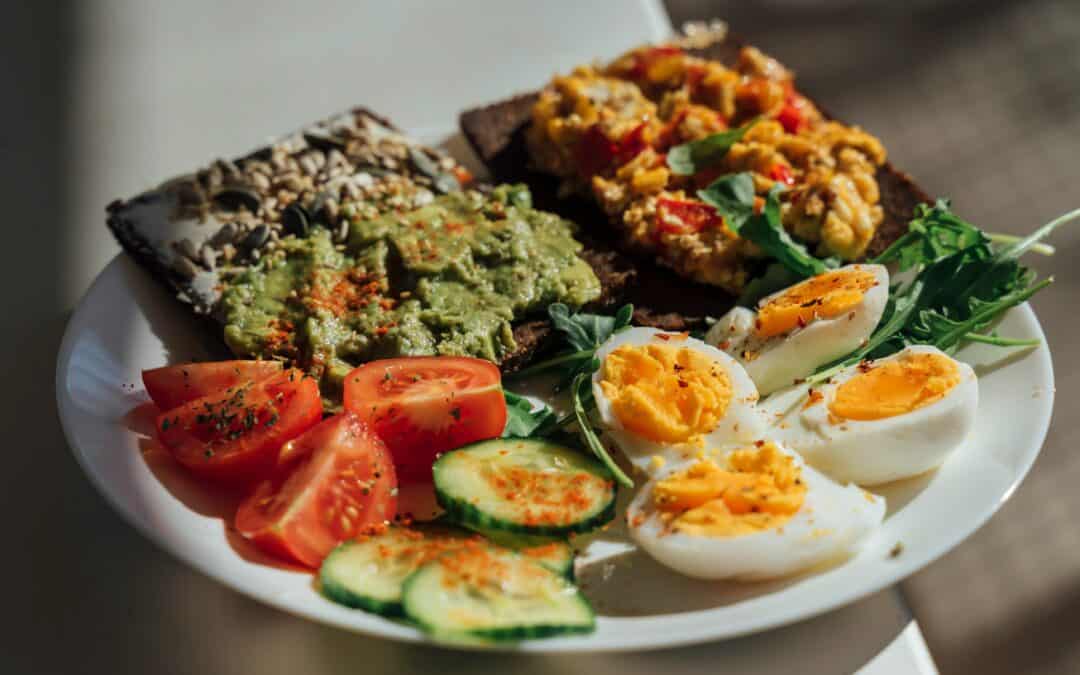
- Scrambled Eggs with Avocado and Bacon/Sausage: A classic.
- Keto Smoothie: Unsweetened almond milk, spinach, avocado, protein powder, a spoonful of nut butter.
- Leftovers: Don’t be afraid to eat dinner for breakfast if it fits your macros.
Lunch Options
Easy and portable options are often best for lunch.
- Big Salad with Protein and Healthy Fats: Lots of greens, grilled chicken/steak/fish, avocado, cheese, olive oil dressing.
- Lettuce Wraps: Ground meat, cheese, or tuna salad wrapped in large lettuce leaves.
- Tuna/Chicken Salad: Made with mayonnaise (check for added sugars) and served with celery sticks or low-carb crackers.
Dinner Recipes
Time to get creative and enjoy your meals.
- Salmon with Asparagus and Hollandaise Sauce: Rich and satisfying.
- Steak with Roasted Broccoli and Garlic Butter: A simple, hearty meal.
- Keto Chili: Ground beef, diced tomatoes (in moderation), peppers, spices.
- Chicken Thighs with Creamy Spinach: Fat and flavor.
Snacks and Drinks
Sometimes you need something between meals, and staying hydrated is key.
- Snacks: A handful of nuts, cheese slices, olives, hard-boiled eggs, avocado.
- Drinks: Water, black coffee, unsweetened tea, sparkling water. Electrolyte drinks (sugar-free) can be helpful during adaptation.
Practical Tips for Success

Sticking to a diet like keto requires some planning and understanding.
Tracking Macros
Especially in the beginning, tracking what you eat is crucial.
- Use an App: Apps like MyFitnessPal or Cronometer can help you log food and see your carbohydrate, protein, and fat intake. This helps you learn portion sizes and the carb content of different foods.
- Be Accurate: Weighing food is more accurate than relying on visual estimates, especially for carb-heavy items.
Meal Prepping
Preparing meals in advance can save time and prevent carb temptations.
- Batch Cook Proteins: Grill a large amount of chicken or beef for the week.
- Wash and Chop Veggies: Have your low-carb vegetables ready to go.
- Pre-portioned Snacks: Pack nuts, cheese, or eggs into individual containers.
Dealing with Cravings
Carb cravings are common, especially at first.
- Identify Triggers: What usually makes you crave carbs? Stress? Boredom?
- Hydration: Sometimes thirst is mistaken for hunger. Drink water.
- Electrolytes: Low electrolytes can intensify cravings.
- Healthy Fats: Eat some healthy fats, like a spoonful of nut butter or a slice of avocado, to feel satiated.
- Distraction: Find something else to do to take your mind off the craving.
Eating Out
Navigating restaurants on keto takes some thought.
- Prioritize Protein and Fat: Look for meat or fish dishes.
- Ask for Substitutions: Request extra vegetables instead of starchy sides (like fries or rice). Ask for no bun on burgers.
- Dressings and Sauces: Ask for dressings on the side and choose oil and vinegar if possible. Many creamy sauces contain hidden sugars or thickeners.
Potential Downsides and Considerations
| Metrics | Results |
|---|---|
| Weight Loss | Effective for rapid weight loss |
| Carbohydrate Intake | Restricts to 20-50 grams per day |
| Protein Intake | Moderate protein consumption |
| Fat Intake | High fat consumption |
| Health Benefits | May improve blood sugar control and insulin sensitivity |
While effective for weight loss, keto isn’t suitable for everyone and has potential drawbacks.
Nutrient Deficiencies
Restricting entire food groups can lead to missing out on certain nutrients.
- Fiber: Ensure you’re eating plenty of low-carb vegetables.
- Micronutrients: Consider a broad-spectrum multivitamin, especially in the initial phase. Pay attention to electrolyte intake (sodium, potassium, magnesium).
Sustainability
Keto is a restrictive diet, and long-term adherence can be challenging for some.
- Social Aspects: Eating out and social gatherings can be difficult to navigate.
- Personal Preference: Not everyone enjoys a diet so heavy in fat or so restrictive of carbs.
- Listen to Your Body: If the diet makes you feel unwell or unsustainable over time, it may not be the best fit for you.
Medical Conditions
Keto is not recommended for certain medical conditions without supervision.
- Diabetes: Especially Type 1, requires close medical monitoring.
- Kidney Disease: High protein intake can be an issue.
- Gallbladder Issues: High fat may exacerbate issues.
- Pregnant or Breastfeeding: Generally not recommended.
Monitoring Progress
Weight loss is often a key motivator, but look beyond just the scale.
- Body Measurements: Track inches lost around your waist, hips, and other areas.
- How You Feel: Increased energy, better sleep, reduced hunger, improved mood are all positive indicators.
- Blood Ketone Monitoring (Optional): Devices like blood ketone meters can confirm you’re in ketosis, though it’s not strictly necessary for most.
The keto diet has shown to be an effective strategy for weight loss for many people. By understanding the core principles, making informed food choices, and planning effectively, you can set yourself up for success. Remember, it’s a significant dietary shift, so be prepared for an adjustment period and always prioritize how you feel.