Looking to lose weight quickly with a keto diet? The ketogenic diet focuses on drastically reducing carbohydrate intake and replacing it with fat. This shift puts your body into a metabolic state called ketosis, where it becomes incredibly efficient at burning fat for energy. This article will guide you through a practical, no-nonsense approach to using keto for rapid weight loss.
The core principle behind keto for weight loss is simple: when your body doesn’t have enough carbohydrates to burn for energy, it starts burning fat instead. This process, ketosis, produces ketones, which become your body’s primary fuel source. For many, this dietary shift results in significant and often rapid weight loss.
What is Ketosis?
Ketosis is a natural metabolic state. When you severely limit carb intake, typically below 20-50 grams per day, your liver starts breaking down fat into molecules called ketones. These ketones then serve as an alternative fuel for your brain and body. It’s not about starvation; it’s about changing your body’s fuel preference.
Why Does Keto Promote Rapid Weight Loss?
Several factors contribute to keto’s effectiveness for quick weight loss:
- Reduced Appetite: Ketones and a higher fat intake can contribute to a feeling of fullness, naturally leading to reduced calorie consumption.
- Water Weight Loss: In the initial stages, you’ll shed a lot of water weight as your body depletes its glycogen stores (which bind to water).
- Increased Fat Burning: Your body becomes a fat-burning machine, utilizing both dietary fat and stored body fat for energy.
- Improved Insulin Sensitivity: Keto can help stabilize blood sugar levels and improve insulin sensitivity, which is beneficial for fat loss.
Setting Up Your Keto Diet for Success
A successful keto diet isn’t just about cutting carbs; it’s about making smart food choices and planning.
Macronutrient Ratios: The Foundation
The standard ketogenic diet (SKD) generally follows these macronutrient ratios:
- Fat: 70-75% of your daily calories
- Protein: 20-25% of your daily calories
- Carbohydrates: 5-10% of your daily calories (typically under 20-50g net carbs)
It’s crucial to track these initially to ensure you’re actually entering and maintaining ketosis. Apps and online calculators can help with this.
Permitted Foods: What to Eat
Focus on whole, unprocessed foods.
- Meats: Beef, pork, poultry, lamb, game meats. Choose fattier cuts when possible.
- Fish and Seafood: Salmon, mackerel, sardines, tuna, shrimp, crab. Especially fatty fish for omega-3s.
- Eggs: Whole eggs are excellent and versatile.
- Healthy Fats: Avocado, olive oil, coconut oil, butter, ghee, lard.
- Dairy: High-fat cheeses, heavy cream, full-fat Greek yogurt (in moderation for carbs).
- Nuts and Seeds: Almonds, walnuts, macadamia nuts, chia seeds, flax seeds. Be mindful of carb counts.
- Low-Carb Vegetables: Leafy greens (spinach, kale), broccoli, cauliflower, asparagus, zucchini, bell peppers (in moderation), mushrooms.
- Berries (in moderation): Small amounts of blackberries, blueberries, raspberries, strawberries.
Foods to Avoid: The “No-Go” List
Stay away from high-carb culprits:
- Grains: Bread, pasta, rice, oats, cereal.
- Legumes: Beans, lentils.
- Starchy Vegetables: Potatoes, sweet potatoes, corn.
- Sugary Foods: Candy, soda, juice, most desserts.
- Most Fruits: High in natural sugars.
- Processed Foods: Many contain hidden sugars and unhealthy oils.
- Alcohol: Many alcoholic beverages are high in carbs.
Navigating the Initial Phase: The “Keto Flu”

When you first start keto, you might experience the “keto flu.” This isn’t actual flu, but a collection of symptoms as your body adjusts to burning fat instead of carbs.
Common Keto Flu Symptoms
- Headaches
- Fatigue
- Irritability
- Brain fog
- Dizziness
- Muscle cramps
- Nausea
These symptoms typically last a few days to a week. Not everyone experiences them, and their severity varies.
Preventing and Alleviating Keto Flu
- Electrolyte Intake: This is key. When you cut carbs, your body excretes more water and, with it, essential electrolytes.
- Sodium: Add extra salt to your food, or drink electrolyte-rich broths.
- Potassium: Avocados, spinach, mushrooms are good sources.
- Magnesium: Leafy greens, nuts, seeds, and supplements can help.
- Hydration: Drink plenty of water throughout the day.
- Adequate Fat Intake: Ensure you’re eating enough fat to signal to your body that it has a fuel source.
- Gradual Transition (Optional): Some people find a slower reduction in carbs helps ease the transition, though it might prolong the time to ketosis.
Tracking Progress and Staying Motivated

Weight loss is rarely a linear journey. Tracking can help you understand your body and stay on track.
Monitoring Ketosis
While not strictly necessary for weight loss once you’re consistent, knowing you’re in ketosis can be reassuring.
- Urine Strips: A basic, inexpensive way to detect ketones. Can become less accurate over time as your body adapts.
- Breath Ketone Analyzers: More accurate than strips, but an initial investment.
- Blood Ketone Meters: The most accurate method, but involves pricking your finger.
Beyond the Scale: Other Metrics
Don’t fixate solely on the number on the scale.
- Body Measurements: Your waist, hips, and other measurements often change before or alongside scale weight.
- How Your Clothes Fit: A great indicator of progress, often more motivating than the scale.
- Energy Levels: Increased energy and mental clarity are common benefits of ketosis.
- Sleep Quality: Many report improved sleep on keto.
- Mood: A more stable mood can be a sign of better blood sugar control.
Practical Tips for Long-Term Keto Success
| Metrics | Results |
|---|---|
| Weight Loss | 10 lbs |
| Body Fat Percentage | 5% |
| Blood Sugar Level | Decreased |
| Energy Level | Increased |
Sustainability is key for any diet. Making keto work for your lifestyle is essential.
Meal Planning and Preparation
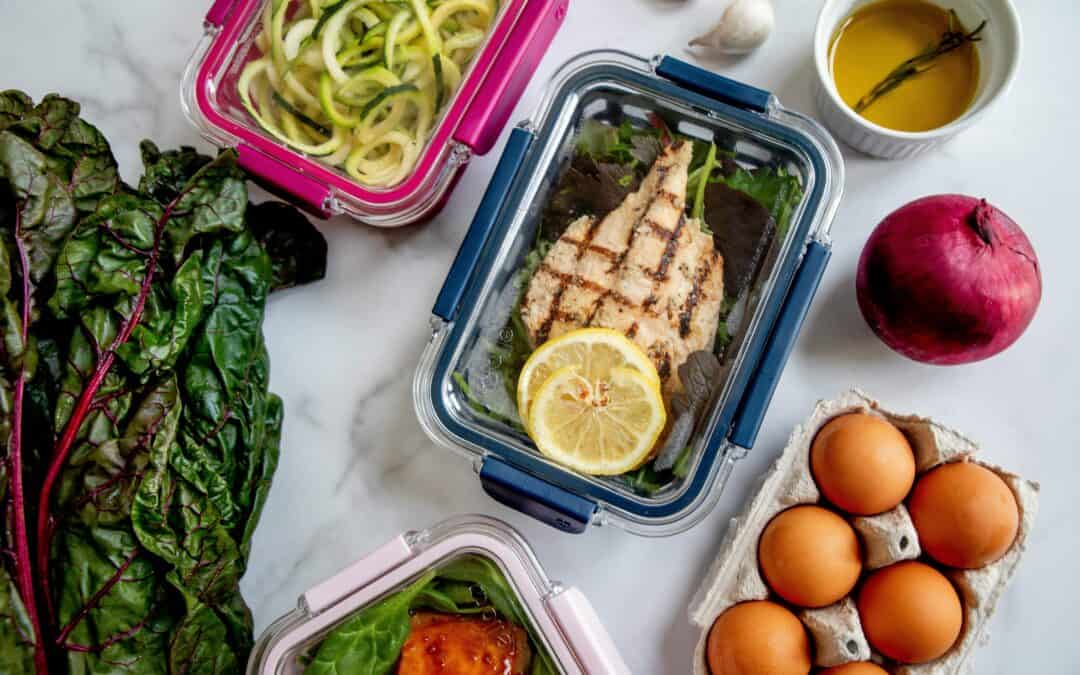
- Batch Cooking: Dedicate time once or twice a week to cook larger portions of keto-friendly meals like roasted chicken, ground beef, or cooked vegetables.
- Simple Meals: Don’t overcomplicate things. Eggs and bacon, a piece of salmon with avocado, or a quick salad with fatty dressing are perfectly fine.
- Snack Smarter: Keep keto-friendly snacks on hand: cheese sticks, a handful of nuts, olives, or pre-cut veggies with dip.
Eating Out on Keto
It’s possible to eat out and stay keto.
- Focus on Protein and Fat: Order meat or fish dishes, asking for them grilled or baked, not breaded.
- Swap Sides: Ask for extra vegetables (non-starchy) or a side salad with olive oil and vinegar instead of fries, rice, or potatoes.
- Watch for Sauces: Many sauces contain sugar or thickeners. Ask for sauces on the side or stick to simple options like butter or olive oil.
- Embrace Salads: Just be mindful of dressings (get oil and vinegar) and high-carb additions like croutons or candied nuts.
Staying Hydrated
Beyond preventing keto flu, adequate hydration is essential for overall health and metabolism. Aim for 8-10 glasses (2-2.5 liters) of water daily. Electrolyte-rich beverages like bone broth can also contribute.
Incorporating Exercise (Mindfully)
While diet is paramount for weight loss, exercise can complement your efforts.
- Start Slow: If new to keto and exercise, begin with light activities like walking.
- Listen to Your Body: Your energy levels might fluctuate initially. Don’t push yourself too hard.
- Strength Training: Can help preserve muscle mass during weight loss, which is beneficial for metabolism.
- Cardio: Low to moderate intensity cardio is generally well-tolerated. High-intensity interval training (HIIT) might require more adaptation time on keto.
Dealing with Cravings
Cravings for carbs are common, especially early on.
- Increase Fat Intake: Sometimes, true hunger for fat is misinterpreted as a carb craving.
- Electrolyte Check: Imbalances can sometimes trigger cravings.
- Distraction: Engage in an activity to take your mind off food.
- Keto-Friendly Alternatives: Sugar-free gelatin, a small piece of dark chocolate (90% or higher), or a fat bomb can help satisfy a sweet tooth without derailing ketosis.
Importance of Sleep
Poor sleep can impact hormones related to hunger and satiety, making weight loss more challenging. Aim for 7-9 hours of quality sleep per night. Establish a consistent sleep schedule and optimize your sleep environment.
When to Consider Professional Guidance
While many can successfully implement a ketogenic diet on their own, certain situations warrant professional advice.
Underlying Health Conditions
If you have pre-existing conditions like diabetes, heart disease, kidney disease, or are on medication, consult your doctor or a registered dietitian before starting any restrictive diet. Keto can significantly impact these conditions and medications.
Pregnant or Breastfeeding
The ketogenic diet is generally not recommended during pregnancy or breastfeeding due to potential nutritional deficiencies and unknown long-term effects on development. Always consult a healthcare provider.
Extended Periods of Ketosis
For rapid weight loss, periods of 8-12 weeks on keto are common. If you plan to be on keto for more extended periods, especially several months or more, regular check-ups with a healthcare professional are advisable to monitor nutrient levels and overall health markers.
Feeling Unwell or Unsure
If you’re experiencing severe or persistent symptoms, or simply feel unsure about whether the diet is right for you, don’t hesitate to seek medical advice.
The ketogenic diet can be an effective tool for rapid weight loss due to its impact on metabolism and appetite. By focusing on whole, low-carb foods, managing electrolytes, and tracking your progress, you can navigate this dietary approach successfully. Remember that while speed is often a motivator, sustainable practices and listening to your body are key for lasting results and overall well-being.