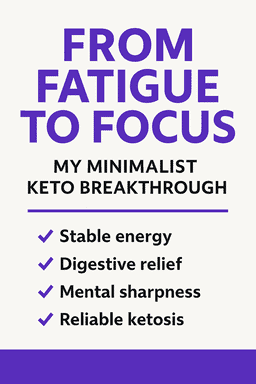

Hitting your keto goals doesn’t have to be a guessing game. The core idea behind a successful keto nutrition plan is pretty straightforward: drastic carbohydrate reduction, moderate protein intake, and a generous amount of healthy fats. This shifts your body’s primary fuel source from glucose to ketones, a state known as ketosis. Achieving and maintaining this state is key to experiencing the benefits commonly associated with keto, such as weight loss, improved energy, and better blood sugar control.
Why Go Keto? Understanding the Benefits
Before diving into the “how-to,” let’s quickly touch on why so many people are exploring ketogenic diets. Beyond just weight loss, which is often the initial draw, many report enhanced mental clarity, sustained energy levels throughout the day without the typical “crashes,” and a significant reduction in cravings for sugary or carb-heavy foods. For some, it can also play a role in managing conditions like type 2 diabetes or even certain neurological disorders, though consulting a healthcare professional is always recommended in such cases. The benefits stem from your body’s metabolic shift when it enters ketosis.
Common Misconceptions to Clear Up
- Keto is a “no-carb” diet: While extremely low-carb, it’s not zero. You’ll still get a small amount of carbohydrates from most leafy greens and other keto-friendly vegetables.
- Keto is a high-protein diet: This is a common misconception. Excessive protein can actually hinder ketosis as your body can convert excess protein into glucose (gluconeogenesis). A moderate protein intake is crucial.
- Keto is just about eating bacon and butter: While healthy fats are important, a balanced keto diet emphasizes nutrient-dense foods, including plenty of vegetables.
- You can eat unlimited fat: While fat is your primary fuel source, calories still matter for weight loss. Eating too much fat can stall progress.
The Foundation of Your Keto Plate: Macronutrients
Getting your macros right is arguably the most critical aspect of a successful ketogenic diet. This isn’t just about counting calories; it’s about the ratio of carbohydrates, protein, and fat.
Carbohydrates: The Strict Limit
Your carbohydrate intake is the most restrictive. To enter and maintain ketosis, you typically aim for 20-50 grams of net carbohydrates per day. Net carbs are calculated by subtracting fiber and sugar alcohols from total carbohydrates. Fiber doesn’t impact blood sugar, so it’s generally not counted towards your daily carb limit.
- Focus on Non-Starchy Vegetables: These are your best friends. Think leafy greens like spinach, kale, and lettuce; cruciferous vegetables such as broccoli, cauliflower, Brussels sprouts; and others like asparagus, green beans, and zucchini. They provide essential vitamins, minerals, and fiber without pushing your carb count too high.
- Avoid Grains, Sugars, and Starchy Vegetables: This is where most people struggle initially. Say goodbye to bread, pasta, rice, potatoes, corn, sugary drinks, fruit juices, and most fruits (berries in moderation are an exception). Artificial sweeteners should also be approached with caution as some can still cause an insulin response.
Protein: Moderate and Mindful
This is where the “moderate” aspect comes in. Aim for 0.6 to 0.8 grams of protein per pound of lean body mass. For instance, if you weigh 150 lbs and have 20% body fat, your lean body mass is 120 lbs. Your protein target would then be roughly 72-96 grams per day. Too little protein can lead to muscle loss, but too much can kick you out of ketosis.
- Quality Protein Sources: Prioritize whole, unprocessed protein.
- Meats: Beef (grass-fed if possible), pork, lamb.
- Poultry: Chicken (thighs and wings are higher in fat), turkey.
- Fish and Seafood: Fatty fish like salmon, mackerel, sardines; also shrimp, cod, tuna.
- Eggs: A keto staple, versatile and nutrient-dense.
- Some Dairy: Full-fat cheese, plain Greek yogurt (check carb count).
Fats: Your Primary Fuel
Fats will make up the bulk of your calorie intake on a ketogenic diet. This is where your body gets its energy once it’s adapted to burning ketones. Don’t be afraid of fat, but focus on healthy sources.
- Healthy Fat Sources:
- Avocados and Avocado Oil: Excellent source of monounsaturated fats.
- Olive Oil: Extra virgin is best for dressings and lower-heat cooking.
- Coconut Oil and MCT Oil: Contains medium-chain triglycerides, which can be quickly converted into ketones by the liver.
- Nuts and Seeds (in moderation): Almonds, macadamia nuts, pecans, chia seeds, flax seeds. Be mindful of their carb counts.
- Butter and Ghee (grass-fed preferred): Healthy saturated fats (in moderation).
- Fat from Meats: Don’t trim all the fat off your steak or chicken thighs.
Meal Planning for Keto Success
Strategic meal planning can make or break your keto journey. It helps ensure you hit your macros, avoid temptation, and keep things diverse and enjoyable.
Building Your Keto Plate
Think of each meal as a combination of a protein source, a healthy fat source, and a non-starchy vegetable.
- Breakfast Ideas:
- Scrambled eggs with cheese, spinach, and avocado.
- Omelet with mushrooms, bell peppers (small amount), and bacon.
- Keto smoothie with unsweetened almond milk, spinach, avocado, and a scoop of protein powder.
- Leftover steak and eggs.
- Lunch Ideas:
- Large salad with grilled chicken or salmon, hard-boiled eggs, avocado, and olive oil dressing.
- Tuna salad (made with mayo) in lettuce wraps or celery sticks.
- Leftovers from dinner.
- Cobb salad without the croutons.
- Dinner Ideas:
- Baked salmon with roasted asparagus and a generous drizzle of olive oil.
- Steak with a side of creamed spinach or cauliflower mash.
- Chicken and vegetable stir-fry (using keto-friendly veggies and tamari/coconut aminos instead of soy sauce).
- Keto chili (without beans, add extra ground beef and low-carb veggies).
Smart Snacking
Snacks aren’t always necessary on keto, especially once you’re fat-adapted and experiencing stable energy levels. However, if you do need one, choose wisely.
- Keto-Friendly Snack Options:
- A handful of nuts (macadamia, almonds).
- Cheese sticks or cubes.
- Olives.
- Celery sticks with almond butter.
- Hard-boiled eggs.
- Avocado slices with a sprinkle of salt.
- Fat bombs (in moderation, as they are calorie-dense).
Hydration and Electrolytes: Don’t Overlook Them
This is often where people stumble, especially in the initial stages (the “keto flu”). When you reduce carb intake, your body excretes more water and, along with it, important electrolytes.
Why Electrolytes Are Crucial
- Sodium: Helps regulate fluid balance and blood pressure. You’ll likely need more salt on keto than you’re used to.
- Potassium: Essential for nerve and muscle function.
- Magnesium: Involved in hundreds of bodily processes, including energy production and muscle relaxation.
How to Replenish
- Drink Plenty of Water: Aim for at least 8-10 glasses a day, more if you’re active.
- Salt Your Food Generously: Use high-quality sea salt or Himalayan pink salt.
- Broth: Bone broth or vegetable broth is excellent for replenishing sodium and other minerals.
- Electrolyte Supplements: Consider a sugar-free electrolyte supplement, especially during the first few weeks or if you’re experiencing symptoms like headaches, fatigue, or muscle cramps.
- Magnesium-Rich Foods: Avocado, spinach, almonds, and pumpkin seeds are good sources.
Monitoring Your Progress and Making Adjustments
Starting a new nutrition plan isn’t a “set it and forget it” situation. Regular monitoring helps you understand how your body responds and allows for necessary tweaks.
Tracking Your Macros
Initially, tracking your macros meticulously (using an app like MyFitnessPal or Cronometer) is highly recommended. This helps you get a feel for what foods contribute how many carbs, proteins, and fats. After a few weeks, many people can “eyeball” their portions, but tracking provides valuable insight.
Identifying Ketosis
While the most accurate way to check for ketosis is a blood ketone meter, signs like reduced appetite, increased energy, and a distinctive “keto breath” can also indicate you’re in the zone. Urine strips can be helpful initially but become less reliable as you become fat-adapted.
Listening to Your Body
Pay attention to hunger levels, energy, sleep quality, and mood. These are all valuable indicators of how your body is adapting.
- Hunger: Ideally, you’ll experience less frequent and less intense hunger.
- Energy: You should feel sustained energy without significant crashes.
- Sleep: Many people report improved sleep quality after adapting to keto.
- Digestion: Keep an eye on your digestive health. If you’re experiencing constipation, increase fiber intake from non-starchy vegetables and ensure adequate hydration and electrolytes.
Troubleshooting Common Issues
- Stalled Weight Loss: Re-evaluate your calorie and fat intake. While carbs are low, excessive calories from fat can still prevent weight loss. Also, ensure you’re not hidden carbs in processed foods. Sometimes, incorporating intermittent fasting can also help break plateaus.
- Keto Flu: This typically occurs in the first week or two. It’s usually caused by electrolyte imbalance. Increase salt, potassium, and magnesium intake. Drink plenty of water.
- Fatigue: Beyond keto flu, persistent fatigue might indicate insufficient calorie intake, particularly from fat, or still needing more electrolyte support.
- Constipation: Ensure adequate fiber from vegetables, plenty of water, and sufficient electrolytes. Magnesium supplements can also aid with regularity.
Sustainable Practices for Long-Term Success
Keto isn’t just a quick fix; for many, it’s a sustainable lifestyle. Building sustainable habits is paramount.
Planning and Preparation
- Weekly Meal Prep: Dedicate some time each week to plan your meals, grocery shop, and even do some batch cooking (e.g., cooking a large batch of chicken or ground beef, chopping veggies). This saves time and reduces the likelihood of reaching for non-keto options when hunger strikes.
- Keep Keto-Friendly Staples on Hand: Always have eggs, avocado, olive oil, leafy greens, and your preferred protein sources readily available.
- “Emergency” Snacks: Keep some nuts, cheese sticks, or other portable keto snacks in your bag or car for unexpected hunger pangs.
Eating Out and Social Situations
This is where many people find challenges. It’s entirely possible to stick to keto while eating out.
- Restaurants:
- Steak or Salmon with Side Vegetables: Ask for vegetables cooked in butter or olive oil, not sugary sauces or breading.
- Salads: Order with grilled meat/fish, avocado, cheese, and oil and vinegar dressing. Avoid croutons, candied nuts, and fruit.
- Burgers: Order bunless, with extra cheese, bacon, and a side salad instead of fries.
- Mexican: Fajitas without tortillas, eat the filling. Carnitas or barbacoa bowls, skip the rice and beans.
- Social Gatherings:
- Offer to Bring a Dish: That way, you know there will be at least one keto-friendly option.
- Prioritize Protein and Fat: Fill up on the meat, cheese, and vegetable platters.
- Drinks: Stick to water, unsweetened tea/coffee, or clear spirits with diet soda/sparkling water (in moderation).
Adapting to Your Lifestyle
No two keto journeys are exactly alike. Tailor your plan to your unique needs, activity level, and preferences. You might find you thrive on a slightly higher or lower protein intake, or that certain fats work better for you. The key is consistent experimentation and adjustment based on how you feel.
Embarking on a keto nutrition plan requires a bit of upfront effort in understanding the principles and planning your meals. However, with consistent effort and attention to detail, especially regarding macros and electrolytes, you can set yourself up for substantial success and the potential to experience significant improvements in your health and well-being. It’s a journey of learning your body, and the more informed you are, the smoother that journey will be.